Introduction:
National Psoriasis Week 2026: Raising Awareness, Understanding, and Support – Psoriasis can change the way a person feels about their skin, their confidence, and even their place in the world. A patch on the arm may be visible to everyone, but the itching, worry, frustration, or fear of being judged often remain hidden.
For someone living with psoriasis, a simple activity such as choosing clothes, meeting friends, attending school, or going swimming may sometimes bring unexpected worries. The condition can affect much more than the skin, yet people who have never experienced it may not understand these challenges.
That is why psoriasis awareness matters.

National Psoriasis Week 2026 is an opportunity to encourage understanding, challenge myths, and remind people living with psoriasis that they deserve respect, support, and appropriate care. Awareness activities can also help families, friends, schools, workplaces, and communities learn how to respond with empathy instead of assumptions.
Awareness-week dates and names vary by country. An important international observance is World Psoriasis Day, held every year on 29 October. In 2026, its global campaign focuses on young people and carries the message “Look Beyond My Skin.”
What Is Psoriasis?
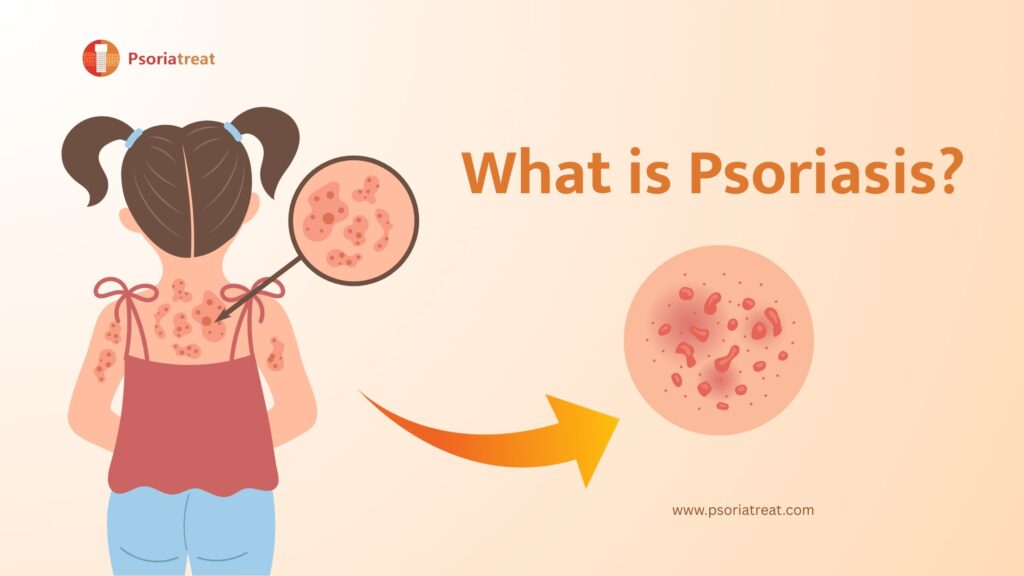
Psoriasis is a long-term inflammatory condition linked to the immune system. It can cause raised, scaly patches on the skin. These patches may itch, feel sore, crack, or become uncomfortable.
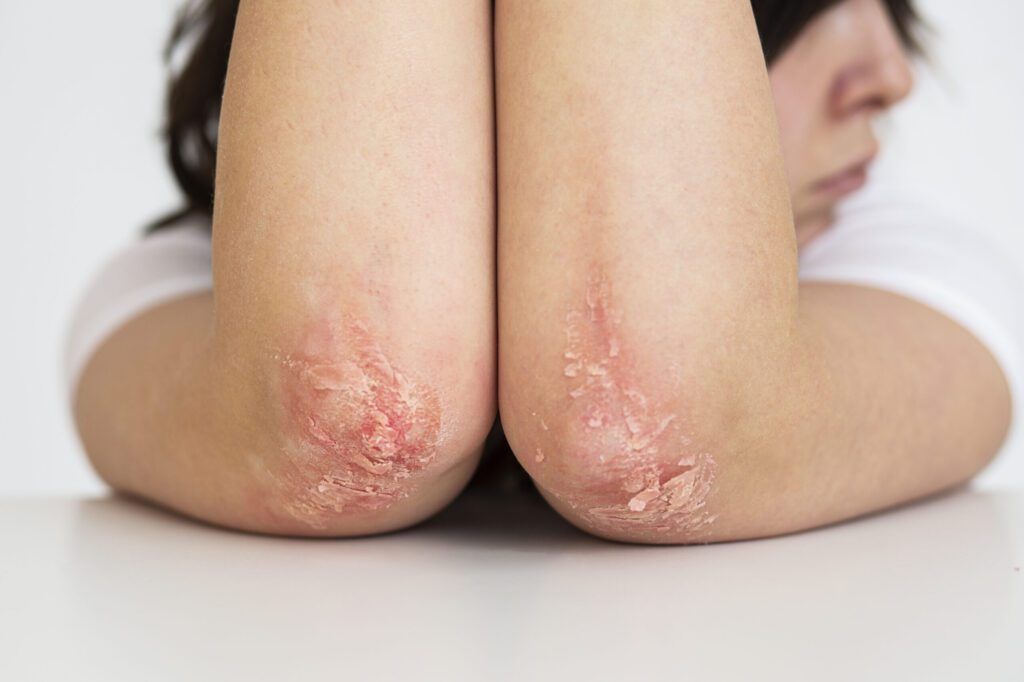
Psoriasis can affect different areas, including the scalp, elbows, knees, hands, feet, nails, and other parts of the body. Some people experience a few small patches, while others have more widespread symptoms.
The condition can improve for a period and then flare up again. Its appearance and severity can differ from one person to another.
One important fact everyone should know is that psoriasis is not contagious. It does not spread through touching, hugging, sharing a seat, or being close to someone who has it.
Why Does Psoriasis Awareness Matter?
1. To challenge common myths
People with psoriasis may be asked whether their skin condition is contagious or whether it is caused by poor hygiene. Such questions can make them feel uncomfortable or embarrassed.
Accurate information can help replace these misunderstandings with empathy. Psoriasis is a medical condition, not a sign that someone is unclean or has done something wrong.
2. To recognise the emotional impact
Psoriasis is not always physically painful, but it can still be emotionally difficult. Visible patches, repeated flare-ups, and unwanted comments may affect confidence and social comfort.
Some people avoid photographs, social events, sports, or clothing they like because they worry about others’ reactions.
Awareness means recognising these feelings without judging them. A person should not have to hide their skin or explain their condition to deserve acceptance.

3. To encourage timely medical care
Some people delay seeking help because they feel embarrassed, assume the problem will go away, or try products that promise quick results.
A healthcare professional can assess the symptoms, confirm the diagnosis, and discuss suitable treatment options. Treatment may include prescribed creams or ointments, phototherapy, tablets, injections, or a combination, depending on the person’s needs.
There is no single treatment that works for everyone, and claims of a guaranteed permanent cure should be treated with caution.
4. To help people recognise possible joint symptoms
Psoriasis can sometimes occur alongside psoriatic arthritis, an inflammatory condition that affects the joints. Ongoing joint pain, swelling, or stiffness, especially in the morning, should be discussed with a healthcare professional.
Awareness can help people understand that psoriasis care may involve more than looking at the skin.
National Psoriasis Week 2026: Why Young People Need Support
Young people are still developing their confidence, friendships, and sense of identity. Living with a visible or uncomfortable skin condition during these years can add pressure to an already changing stage of life.
A teenager may worry about classmates noticing their skin. A young adult may feel anxious about dating, interviews, photographs, or joining a new group. Others may be tired of answering the same questions about their condition.
The 2026 World Psoriasis Day campaign, “Look Beyond My Skin,” highlights the importance of seeing the person behind the condition, particularly young people living with psoriasis and psoriatic arthritis.
Support does not always require a big gesture. Sometimes it means listening without interruption, avoiding jokes about someone’s skin, correcting misinformation, or including them without making their condition the centre of attention.
Young people should feel able to ask for medical advice and emotional support without shame.
How Can Families, Friends, Schools, and Workplaces Help?
Awareness becomes meaningful when it changes everyday behaviour.
Families can:
- Listen when someone describes itching, discomfort, or worry.
- Support medical appointments and treatment routines when needed.
- Avoid blaming the person when symptoms flare up.
- Respect their privacy and choices.
Friends can:
- Treat the person as they always have.
- Avoid unwanted comments about visible patches.
- Learn the facts instead of making assumptions.
- Offer support without pressuring the person to share private details.
Schools and workplaces can:
- Address teasing and bullying.
- Share accurate information when appropriate.
- Respect privacy and avoid singling someone out.
- Consider reasonable support when symptoms or appointments affect daily activities.
A small act of understanding can make an ordinary day feel easier for someone who is already managing a long-term condition.
How Can You Take Part in Psoriasis Awareness Week?
You do not need to organise a large event to make a difference. Simple actions can help spread awareness.
Share reliable information
Share educational content that explains what psoriasis is, what it is not, and why treatment and support matter. Check medical information before passing it on.
Talk openly and respectfully
If someone is comfortable discussing their experience, listen. Do not ask personal questions about their skin or treatment unless they invite the conversation.
Challenge stigma
If you hear someone describe psoriasis as contagious or blame a person for their symptoms, correct the misunderstanding calmly.
Encourage appropriate care
Remind people that persistent skin symptoms deserve proper assessment. Encourage them to speak with a qualified healthcare professional rather than relying on unverified remedies or social media claims.
Support people beyond awareness days
Psoriasis awareness should not end after a campaign or social media post. Inclusion, understanding, and access to appropriate care matter throughout the year.
What Should Someone Living with Psoriasis Remember?
If you have psoriasis, your condition does not define your identity. You deserve to take part in everyday life, build relationships, pursue your goals, and ask for help when you need it.
Try to follow the treatment plan agreed with your healthcare professional. Keep track of symptoms and questions, and mention any changes that concern you. If psoriasis is affecting your confidence, mood, sleep, or relationships, that is worth discussing too.
You do not have to feel positive every day. You also do not have to explain your condition to everyone. Support should be offered with respect, not pressure.
Conclusion
National psoriasis awareness activities are a reminder that understanding can be just as important as information. Psoriasis may be visible on the skin, but its effects can reach into a person’s confidence, relationships, education, work, and emotional well-being.
In 2026, the message “Look Beyond My Skin” encourages us to see the person, not just the patches. We can help by sharing accurate information, challenging stigma, listening without judgement, and supporting access to appropriate care.
Awareness begins with learning, but its real value comes from how we treat people every day.
If you or someone close to you is living with psoriasis, learning about the condition and discussing concerns with a qualified healthcare professional can be a useful next step. – Book an Appointment
Psoriatreat provides information about psoriasis and consultation options. Visit the Psoriatreat contact page to learn how to get in touch.
Frequently Asked Questions
1. When is National Psoriasis Week 2026?
The name and dates of psoriasis awareness weeks vary by country and organisation. World Psoriasis Day, an international observance, takes place on 29 October 2026. Check the relevant national or local organisation for its specific awareness-week dates.
2. What is the theme of World Psoriasis Day 2026?
The global campaign theme is “Look Beyond My Skin,” with a focus on young people living with psoriasis and psoriatic arthritis.
3. Is psoriasis contagious?
No. Psoriasis is not contagious. It cannot spread through touching, hugging, sharing a seat, or ordinary contact with another person.
4. Why is psoriasis awareness important?
Awareness helps correct myths, reduce stigma, recognise the emotional and physical impact of psoriasis, and encourage people to seek appropriate medical care.
5. How can I support someone with psoriasis?
Listen without judgement, avoid comments that make them feel self-conscious, share accurate information, respect their privacy, and encourage professional care when needed.
Written by –
This article is written by Dr. R. S. Sonawane.
M.D. (Homeopathy), DI (Homeopathy), London
Psoriasis Specialist Doctor in India
Dr. R. S. Sonawane is India’s first Homeopathic Psoriasis Specialist, with over 40 years of dedicated experience in treating psoriasis and related chronic skin conditions using a holistic, patient-focused approach. He holds advanced training in homeopathy and has helped tens of thousands of patients achieve long-term relief from psoriasis through personalized, immune-balancing treatment plans designed to address the root cause of the condition rather than just symptoms.
For more such tips and information from Dr. R. S. Sonawane, follow him on –
https://www.instagram.com/psoriatreat_india
https://www.linkedin.com/in/psoriatreat
Calculate your Psoriasis Severity Score – Psoriasis Severity Calculator
[Disclaimer – The images used in this article are for educational and reference purposes only. They are not original patient photographs from Psoriatreat and should not be used for self-diagnosis. Skin conditions can look different from person to person, and a healthcare professional should assess persistent or unusual skin changes.]