
Introduction
Psoriasis Consultation Checklist: What Should Patients Bring? – Preparing for a psoriasis consultation may seem simple. You book an appointment, plan your visit, and expect to explain what has been happening with your skin.
But once you meet the doctor, it is easy to forget a few important details. When did the patches first appear? Which creams have you tried? Did any treatment help, even for a short time? Have the symptoms changed recently? These are the kinds of questions patients may struggle to answer from memory.
A little preparation can make the conversation easier. You do not need a thick file or a perfect medical history. A few useful records, clear notes about your symptoms, and a list of questions can help you explain your concerns more clearly.
If you are preparing for your first psoriasis consultation or a follow-up visit, this checklist can help you get ready.
1. Write down your psoriasis symptoms
Before your appointment, take a few minutes to note what has been happening with your skin. Write down when the symptoms started, which parts of your body are affected, and whether the patches have changed over time. Mention itching, soreness, cracking, bleeding, flaking, or any other problem you have noticed.
Also think about how the symptoms affect your daily life. For example, does scalp psoriasis make you uncomfortable at work? Does itching disturb your sleep? Do patches on your hands make everyday tasks difficult?
You do not need to use medical terms. Describe what you feel and see in your own words. If you have noticed that symptoms change during periods of stress, illness, or changes in weather, mention that too. These details can help the clinician understand your experience.
2. Bring photographs of your skin changes
Psoriasis symptoms can change over time. A patch may be clearly visible one week and look less active by the day of your appointment.
If you have taken photographs during a flare, keep a few clear examples ready. Pictures taken on different dates may help show how the affected areas have changed.
Try to take photographs in good lighting, from a suitable distance, and without filters. Include a wider photograph to show the affected area and a closer one to show the skin’s texture.
Photographs can support the consultation, but they do not replace an examination. For an online consultation, ask the clinic how to share images safely before sending them.

3. Make a list of all medicines and skin products you use
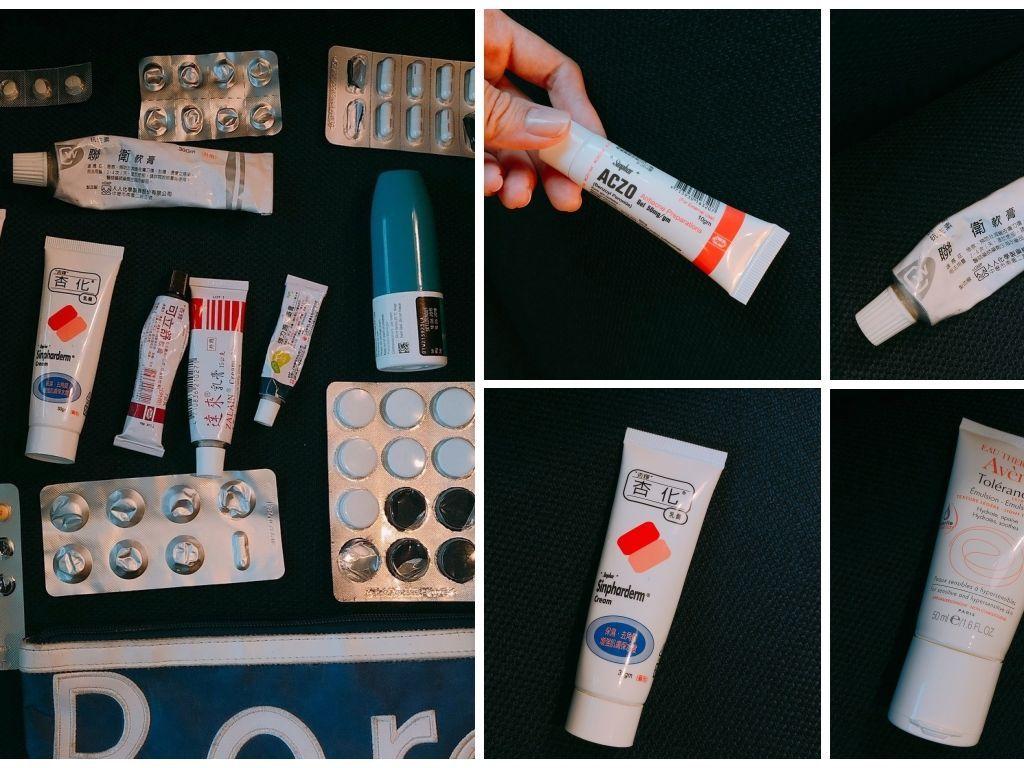
This is one of the most useful things to prepare. Write down the names of all medicines you currently take, including medicines for conditions other than psoriasis. Include creams, ointments, shampoos, tablets, injections, vitamins, supplements, and non-prescription products.
For each item, note how often you use it and whether it has helped or caused any unwanted effects. If you are unsure of a product’s name, take a photograph of its label or bring the package with you.
Do not leave out herbal products or home remedies. The purpose is not to judge what you have tried. It is to give the clinician a complete picture of your care so far.
4. Bring previous prescriptions, reports, and treatment details
If another clinician has assessed your skin before, bring relevant prescriptions and medical records. Previous test results, biopsy reports, referral letters, and notes about earlier diagnoses may also be useful, if available.
It can help to make a short list of treatments you have tried and what happened with each one.
For example:
- A cream reduced itching but the patches returned.
- A treatment caused irritation.
- A medicine helped for a while but later seemed less effective.
- You stopped a product because it was difficult to use regularly.
Be honest about what you used, how often you used it, and whether you stopped early. This helps the clinician understand what has and has not worked. Do not restart, stop, or change prescribed treatment just to prepare for the appointment unless your treating clinician has advised you to do so.
5. Note your other health conditions and allergies
Your psoriasis consultation should not focus only on the skin patches.
Make a note of other health conditions, previous major illnesses or operations, known allergies, and any medicine reactions you have experienced. If psoriasis or related joint problems run in your family, mention that as well.
Also tell the clinician if you have joint pain, swelling, stiffness, or difficulty moving, especially if these symptoms keep returning. Psoriasis can sometimes occur alongside psoriatic arthritis, so joint symptoms are worth discussing rather than leaving them out.
If you are seeing several healthcare professionals, keep their names and relevant contact details handy when possible.
6. Track changes and possible triggers
You do not need to keep a detailed diary for months. Even a few notes can help.
Think about when your symptoms became worse or improved. Did you notice a change after an illness, a stressful period, a new skin product, or a change in the weather? Did the patches begin in one area and later appear elsewhere?
Write down what you actually noticed rather than trying to identify the cause yourself. A change that happens around the same time as a trigger is not always proof that one caused the other.
If you already keep a symptom diary, bring it along. Otherwise, a simple timeline on your phone or in a notebook is enough.
7. Prepare the questions you want to ask
Appointments can feel short, especially when you have several concerns. Writing down your questions beforehand can help you remember what matters most.
You may want to ask:
- Is this psoriasis, or could it be another skin condition?
- How severe is my condition, and which areas need special attention?
- What treatment options are suitable for me?
- How should I use my prescribed medicines or skin products?
- What side effects should I watch for?
- How long might it take to assess whether the treatment is helping?
- What should I do if my symptoms get worse?
- When should I arrange a follow-up appointment?
You do not need to ask every question at once. Start with the concerns that matter most to you. If something is unclear, ask the clinician to explain it in simpler words.
8. What should you wear or carry to the appointment?
Choose comfortable clothing that allows the affected areas to be examined when needed. If your symptoms involve the scalp, nails, ears, hands, or feet, remember to mention them even if those areas are not the main reason for your visit.
Bring your appointment confirmation and any documents the clinic has requested. If you are using a prescribed skin treatment, ask the clinic whether you should apply it as usual before the visit. Do not change your routine simply to make the skin look different.
You may also bring a trusted family member or friend if you would like help remembering the discussion or taking notes.
9. Preparing for an online psoriasis consultation
An online appointment needs a little extra planning.
Keep your medicine list, previous reports, symptom notes, and photographs close by. Find a quiet, private place with good lighting and a reliable internet connection.
Before the appointment, check how the clinic wants you to send photographs or records. Use the clinic’s recommended method rather than sending sensitive health information through an unverified channel.
During the consultation, explain when your symptoms began, what has changed, and which treatments you have tried. If the clinician cannot assess your condition properly online, an in-person examination may be needed.
10. A simple checklist before you leave home
Use this quick list before your appointment:
- Notes about when symptoms started and how they have changed
- Photographs showing earlier flare-ups, if available
- List of current medicines, creams, shampoos, vitamins, and supplements
- Previous prescriptions and relevant medical reports
- Details of allergies, other health conditions, and medicine reactions
- Notes about treatments that helped, did not help, or caused problems
- Questions you want to ask
- Appointment details and any documents requested by the clinic
You may not have every item, and that is fine. Bring what you have and tell the clinician if something is missing.
Upcoming Webinar: World Psoriasis Day 2026
On the occasion of World Psoriasis Day, Psoriatreat Psoriasis Research and Homeopathic Clinics Pvt. Ltd. is organizing a special webinar titled “Understanding Psoriasis, Understanding You.”
📅 Date: 29 October 2026
🕓 Time: 4:00 PM IST
Join us to learn more about psoriasis and raise awareness about this skin condition.
For more information, visit this website.
Conclusion
A psoriasis consultation is a chance to explain what you have been experiencing and understand the next steps in your care. You do not need to prepare everything perfectly.
A short symptom timeline, a clear medicine list, relevant photographs, previous records, and a few important questions are often a useful starting point. Most importantly, be open about what you have tried, what worries you, and how the condition affects your everyday life.
Good preparation helps you take an active role in the conversation. The diagnosis and treatment plan, however, should be based on an appropriate clinical assessment and your individual health needs.
Not sure what information to share about your psoriasis? Preparing your symptoms, previous treatments, and questions can help you make better use of your consultation. Contact the Psoriatreat team to discuss your skin concerns and ask about arranging a consultation. – Book a Consultation
Frequently Asked Questions
1. What should I bring to my first psoriasis consultation?
Bring a list of your current medicines and skin products, previous prescriptions or relevant reports, photographs of earlier flare-ups if available, details of allergies and other health conditions, and the questions you want to ask.
2. Should I take photographs of my psoriasis before the appointment?
Yes, photographs can help show how your skin changes over time, particularly if the symptoms improve before your visit. Take clear pictures in good lighting without filters. They support the assessment but do not replace an examination.
3. Should I bring all the creams and medicines I have tried?
Prepare a list of everything you currently use and the main treatments you have tried in the past. Include prescription medicines, non-prescription products, shampoos, vitamins, supplements, and herbal products. If you are unsure of a product’s name, bring its packaging or a clear photograph of the label.
4. What questions should I ask during a psoriasis consultation?
Ask about your diagnosis, treatment options, how to use prescribed medicines, possible side effects, what to do if symptoms worsen, and when to return for follow-up. You can write your questions down before the visit.
5. What if I do not have my previous medical reports?
Do not delay seeking advice just because some records are missing. Bring the information you have and tell the clinician which tests or treatments you remember. You can ask whether any previous records should be obtained later.
Written by –
This article is written by Dr. R. S. Sonawane.
M.D. (Homeopathy), DI (Homeopathy), London
Psoriasis Specialist Doctor in India
Dr. R. S. Sonawane is India’s first Homeopathic Psoriasis Specialist, with over 40 years of dedicated experience in treating psoriasis and related chronic skin conditions using a holistic, patient-focused approach. He holds advanced training in homeopathy and has helped tens of thousands of patients achieve long-term relief from psoriasis through personalized, immune-balancing treatment plans designed to address the root cause of the condition rather than just symptoms.
For more such tips and information from Dr. R. S. Sonawane, follow him on –
Calculate your Psoriasis Severity Score – Psoriasis Severity Calculator
[Disclaimer – The images used in this article are for educational and reference purposes only. They are not original patient photographs from Psoriatreat and should not be used for self-diagnosis. Skin conditions can look different from person to person, and a healthcare professional should assess persistent or unusual skin changes.]