Introduction:
Psoriasis Diet: Gluten, Dairy, Gut Health & Nutrition – When someone is diagnosed with psoriasis, one of the first questions they often ask is: “What should I eat, and what should I avoid?”
You may hear that wheat causes psoriasis, dairy makes inflammation worse, or that improving gut health can clear the skin. With so much advice available, it can be difficult to know what is true.
The fact is that food does not cause psoriasis, and no specific diet can cure it. Psoriasis is a long-term condition linked to the immune system, genes and other factors. However, healthy eating can support overall health and may help some people manage their condition.
In this article, we will look at the connection between psoriasis, gluten, dairy, gut health and everyday nutrition. We will also discuss how to make sensible food choices without following unnecessary restrictions.

1. Can diet affect psoriasis?
Diet may play a supporting role in psoriasis management. It can influence body weight, heart health and general inflammation in the body.
Some studies suggest that certain eating patterns may help improve psoriasis symptoms, especially when a person is overweight or has another health condition. However, the effect of food is different for everyone.
It is important to remember:
- A healthy diet may support your overall treatment plan.
- Food changes do not replace prescribed psoriasis treatment.
- There is no single psoriasis diet that works for everyone.
- Avoid removing entire food groups without a clear reason.
Think of nutrition as one part of long-term care, not a replacement for medical treatment.
2. Gluten and Psoriasis: should you avoid wheat?
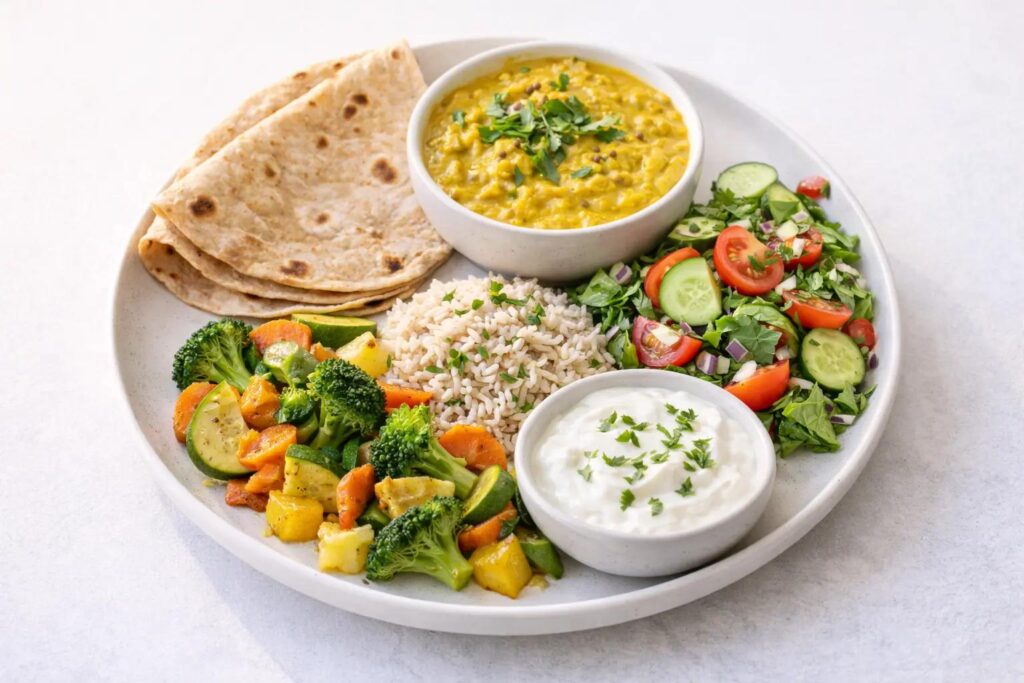
Gluten is a protein found in wheat, barley and rye. It is present in foods such as bread, chapati made from wheat, pasta, biscuits and many baked products.
Some people with psoriasis may also have coeliac disease or gluten sensitivity. In such cases, a gluten-free diet may be helpful.
Who may benefit from a gluten-free diet?
A gluten-free diet may be worth discussing with a healthcare professional if you have:
- Diagnosed coeliac disease.
- Confirmed gluten sensitivity.
- Digestive symptoms such as frequent diarrhoea, bloating or stomach discomfort that need medical evaluation.
- Positive test results suggesting gluten-related problems.
However, not everyone with psoriasis needs to stop eating wheat.
If you suspect a gluten-related problem, speak to your doctor before removing gluten. Coeliac disease testing can become less reliable after a person has already stopped eating gluten.
What can you eat if you need to avoid gluten?
Depending on your nutritional needs, naturally gluten-free choices include:
- Rice
- Jowar and bajra
- Ragi
- Corn
- Pulses and beans
- Fruits and vegetables
- Eggs, fish and unprocessed meat
Choose balanced meals rather than relying heavily on packaged gluten-free snacks. Some packaged alternatives may contain extra sugar, salt or fat.
3. Dairy and Psoriasis: do you need to stop milk?
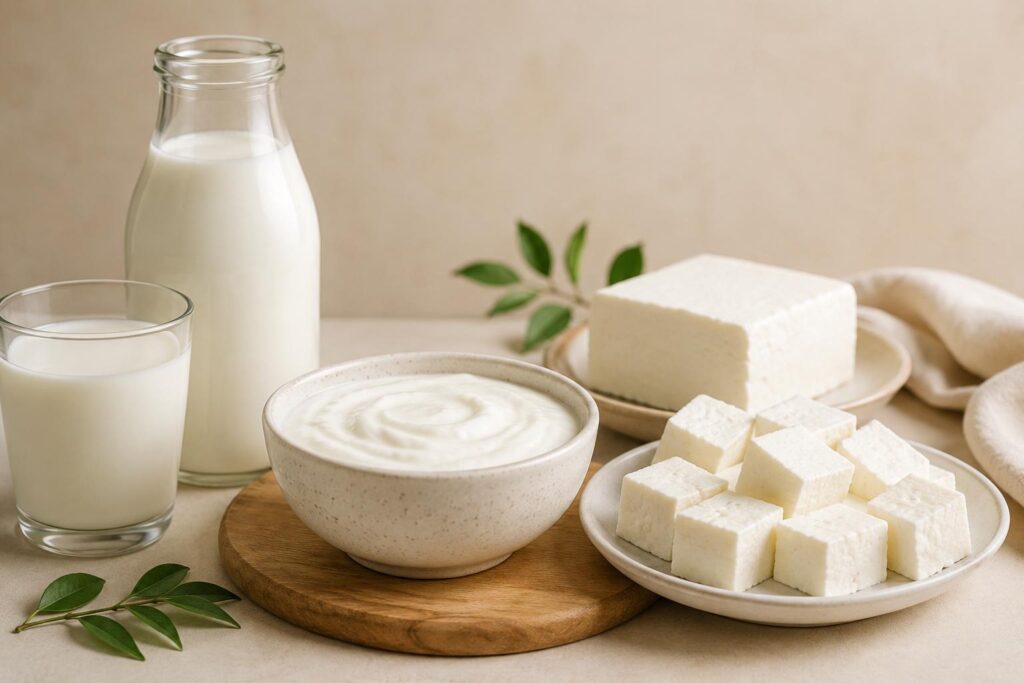
Milk, curd, paneer, cheese and other dairy products are common parts of many Indian diets.
You may come across advice suggesting that all dairy products should be avoided if you have psoriasis. However, there is not enough strong evidence to recommend dairy restriction for every person with psoriasis.
Dairy products provide nutrients such as protein, calcium and vitamin B12. Removing them without suitable replacements may affect your nutrition.
When might dairy need to be limited?
You may need to change your dairy intake if:
- You have a diagnosed milk allergy.
- You have lactose intolerance and experience digestive symptoms.
- You notice a consistent personal reaction to a particular dairy product.
- Your doctor or dietitian recommends a change for another health reason.
If you suspect that a food affects your symptoms, keep a food and symptom diary. Discuss the pattern with a doctor before making major changes.
If you do reduce dairy, consider suitable alternatives such as calcium-fortified plant drinks, pulses, nuts and other sources of protein and calcium.
4. Gut Health and Psoriasis: what is the connection?
The gut contains millions of microorganisms, including bacteria that help with digestion and other body functions. This community is known as the gut microbiome.
Researchers are studying how the gut microbiome may be connected with immune activity and inflammatory conditions, including psoriasis.
This area is sometimes described as the “gut-skin connection”.
However, research is still developing. Scientists have not established that fixing gut bacteria can cure psoriasis or reliably clear skin lesions.
How can you support gut health?
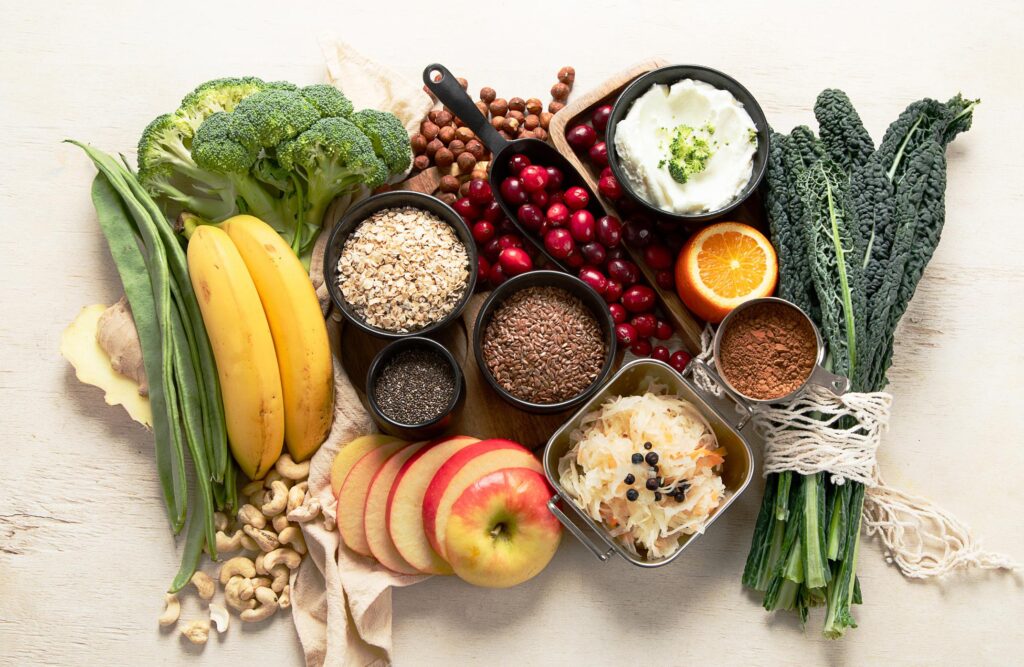
Simple eating habits can support digestive health:
- Eat a variety of fruits and vegetables.
- Include fibre-rich foods such as oats, beans, lentils and whole grains.
- Add nuts and seeds to meals when suitable.
- Drink enough water.
- Include fermented foods such as curd if you tolerate them.
- Limit highly processed foods when possible.
Probiotic supplements are not a proven treatment for psoriasis. Speak to your healthcare professional before taking them, especially if you have other medical conditions or take regular medicines.
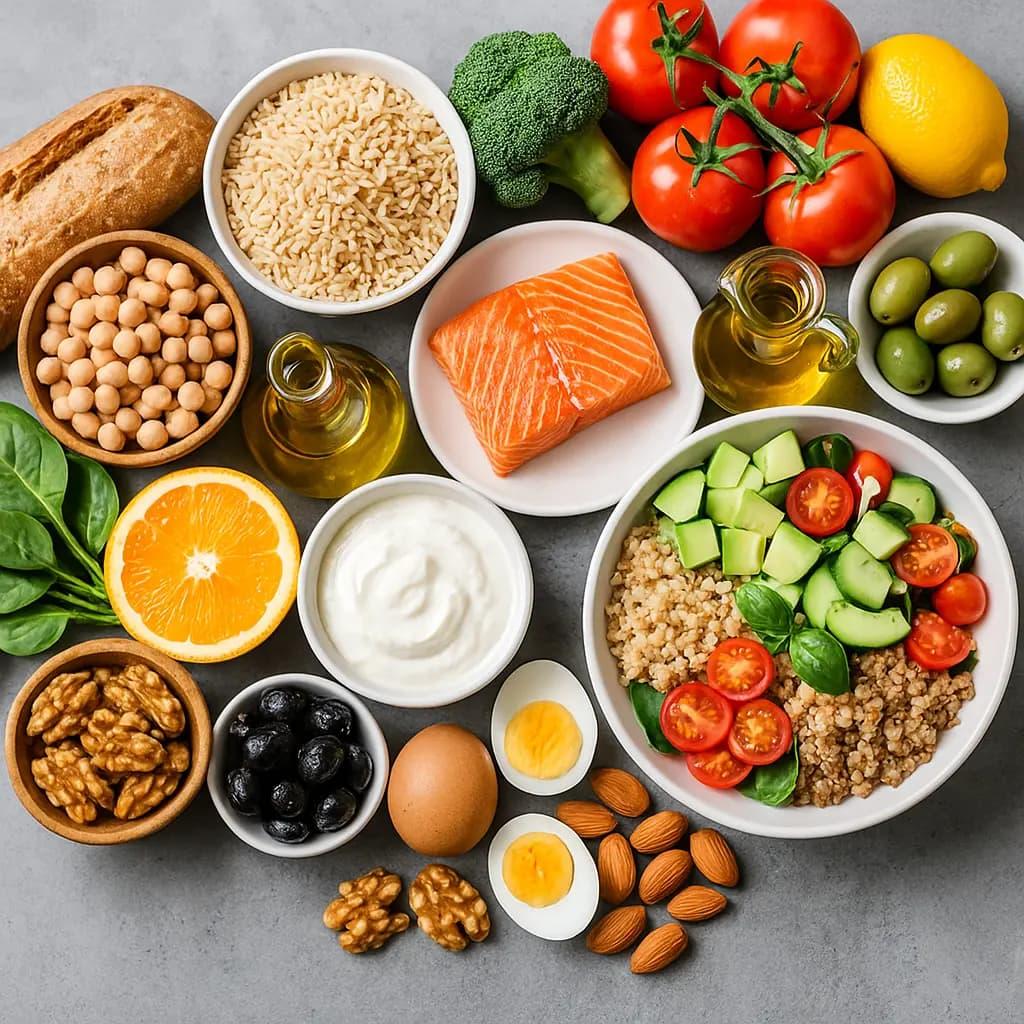
5. What foods should you include in a Psoriasis-friendly diet?
There is no special food list that works for everyone. A balanced eating pattern with a variety of whole foods is a sensible place to start.
Fruits and vegetables
Include different coloured fruits and vegetables in your daily meals. They provide vitamins, minerals, fibre and other useful nutrients.
Examples include:
- Spinach and other leafy vegetables
- Carrots
- Tomatoes
- Seasonal fruits
- Berries, guava and oranges
Whole grains and pulses
Choose fibre-rich foods such as:
- Oats
- Brown rice
- Whole-wheat roti
- Jowar and bajra
- Dal, chickpeas and beans
If you have coeliac disease, choose grains and products that are safely gluten-free.
Healthy fats
Include suitable sources of healthy fats, such as:
- Walnuts
- Almonds
- Flaxseeds
- Chia seeds
- Olive oil or other unsaturated vegetable oils
- Fish rich in omega-3 fats, if you eat fish
These foods can form part of a balanced diet, but they should not be treated as psoriasis medicines.
Protein-rich foods
Protein supports the body’s normal repair and maintenance. Include foods such as dal, beans, eggs, fish, chicken, tofu, paneer or other suitable options.
6. Foods and habits worth limiting
You do not need to follow a strict list of forbidden foods. However, limiting some foods and habits can support general health.
Consider reducing:
- Sugary drinks and frequent sweets.
- Highly processed snacks.
- Foods high in saturated or trans fats.
- Frequent deep-fried foods.
- Excessive alcohol.
- Very high salt intake.
Alcohol may worsen psoriasis for some people and can also interact with certain medicines. Ask your doctor whether you should avoid it completely.
If you are overweight, gradual and sustainable weight management may improve psoriasis outcomes and support heart health. Avoid crash diets or extreme food restrictions.
7. How to identify your personal food triggers
Not everyone reacts to the same foods. Instead of removing several food groups at once, observe your own eating habits.
Try keeping a simple food and symptom diary for a few weeks.
Record:
- What you ate and drank.
- Any digestive symptoms.
- Changes in itching, redness or scaling.
- Stress, sleep and illness.
- Changes in medicines or skincare.
Look for repeated patterns rather than assuming that one meal caused a flare-up.
Do not stop prescribed treatment or make major dietary changes based only on your diary. A doctor or registered dietitian can help you understand what the pattern means.
8. Why a balanced diet matters
Psoriasis is associated with a higher risk of certain health conditions, including cardiovascular and metabolic problems. This makes overall health an important part of long-term care.
A balanced diet can help support:
- Healthy body weight.
- Heart health.
- Normal digestion.
- Adequate vitamins and minerals.
- Better overall wellbeing.
A Mediterranean-style eating pattern, which includes vegetables, fruits, whole grains, pulses, nuts, fish and unsaturated fats, is one approach that may be useful. It can be adapted to Indian meals and personal food preferences.
Conclusion:
Managing psoriasis is not just about applying creams or taking medicines. Everyday habits, including nutrition, can also support your overall health.
Gluten does not need to be avoided by everyone with psoriasis. Dairy products do not have to be removed unless there is a medical or personal reason. Gut health is an interesting area of research, but no gut-health plan has been proven to cure psoriasis.
Focus on balanced meals, a variety of nutritious foods, healthy weight management where needed and careful observation of your own symptoms. Most importantly, use dietary changes alongside appropriate medical care.
Have questions about psoriasis, food choices or your daily care routine? Contact Psoriatreat to learn about consultation options and discuss your psoriasis-related concerns with the care team – Book an Appointment
Frequently asked questions
1. Can a gluten-free diet cure psoriasis?
No. A gluten-free diet is not a cure for psoriasis. It may help some people who also have coeliac disease or confirmed gluten sensitivity. Speak to a healthcare professional before removing gluten.
2. Should everyone with psoriasis stop eating dairy?
No. There is not enough strong evidence to recommend avoiding dairy for everyone with psoriasis. Dairy can provide protein and calcium. Restrict it only when there is a clear medical or personal reason.
3. Does gut health affect psoriasis?
Researchers are studying the connection between the gut microbiome and psoriasis. However, there is not enough evidence to say that improving gut health can cure psoriasis or clear skin lesions.
4. Which foods are good for people with psoriasis?
A balanced diet containing vegetables, fruits, whole grains, pulses, nuts, seeds and suitable protein sources is a good starting point. No particular food can replace psoriasis treatment.
5. Should I follow a strict psoriasis diet?
Usually, no. Very restrictive diets can lead to nutritional gaps. Choose a balanced eating pattern and discuss any major food changes with your doctor or dietitian.
Written by –
This article is written by Dr. R. S. Sonawane.
M.D. (Homeopathy), DI (Homeopathy), London
Psoriasis Specialist Doctor in India
Dr. R. S. Sonawane is India’s first Homeopathic Psoriasis Specialist, with over 40 years of dedicated experience in treating psoriasis and related chronic skin conditions using a holistic, patient-focused approach. He holds advanced training in homeopathy and has helped tens of thousands of patients achieve long-term relief from psoriasis through personalized, immune-balancing treatment plans designed to address the root cause of the condition rather than just symptoms.
For more such tips and information from Dr. R. S. Sonawane, follow him on –
https://www.instagram.com/psoriatreat_india
https://www.linkedin.com/in/psoriatreat
Calculate your Psoriasis Severity Score – Psoriasis Severity Calculator
[Disclaimer – The images used in this article are for educational and reference purposes only. They are not original patient photographs from Psoriatreat and should not be used for self-diagnosis. Skin conditions can look different from person to person, and a healthcare professional should assess persistent or unusual skin changes.]