
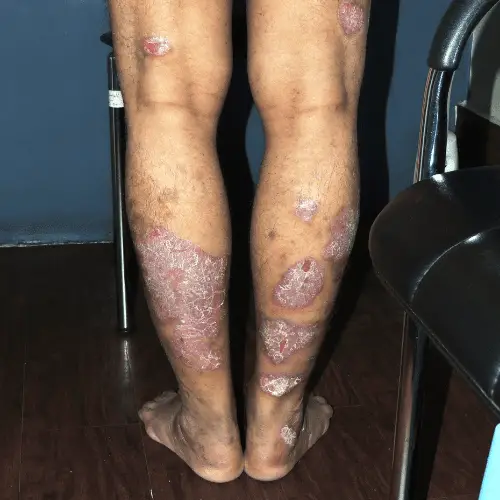
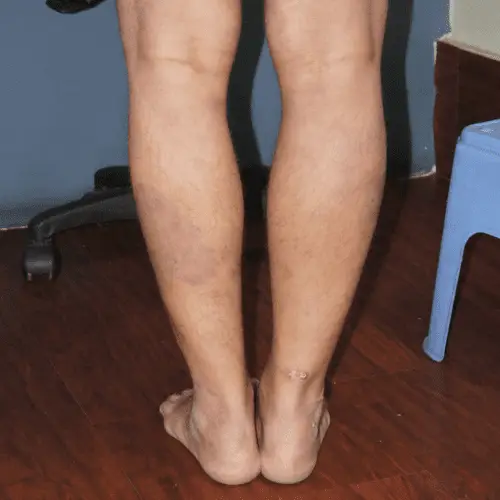
80 percent of people with Psoriasis have plaque Psoriasis. This is the most common type, it causes dry, raised, red skin lesions (plaques) covered with whitish-silver scales. The plaques might be itchy or painful and there may be few or many. Most often seen on the elbows, knees, scalp and lower back.
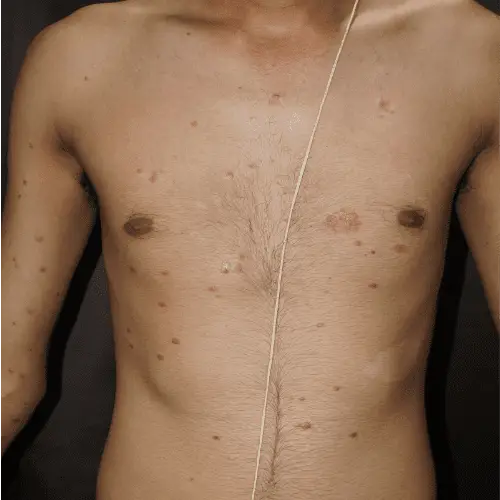
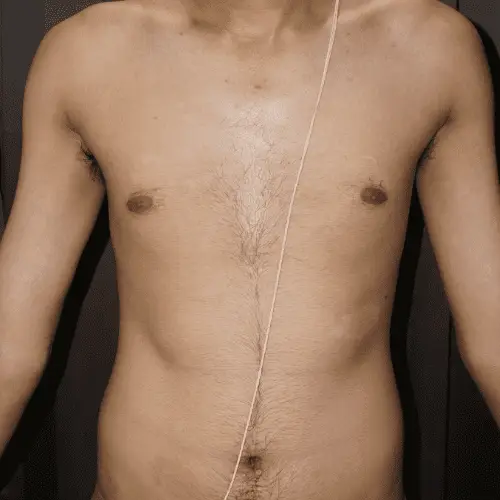
This type of psoriasis is common in children and young adults. It’s usually triggered by a bacterial infection such as strep throat. It appears as small, pink-red, water drops on the skin. The most common site for guttate Psoriasis includes the trunk, arms, legs and scalp. These spots are rarely thick or raised like plaque Psoriasis.
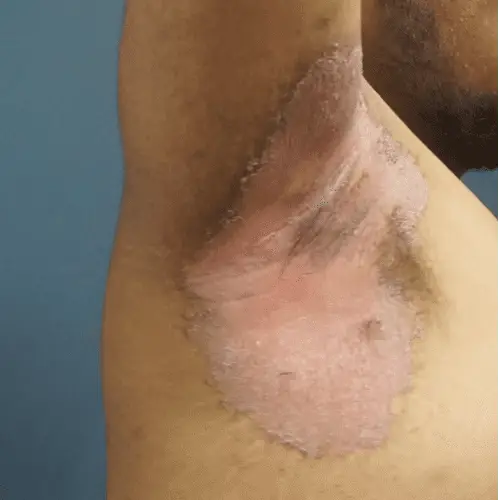
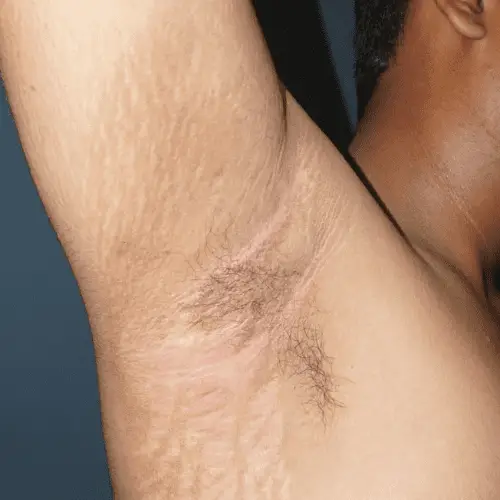
This mainly affects the skin in the armpits, in the groin, under the breasts and around the genitals and buttocks. It causes patches of skin that are bright red, smooth, and shiny but don’t have scales. It worsens with friction and sweating. It is more common in people who are overweight with deep skin folds.
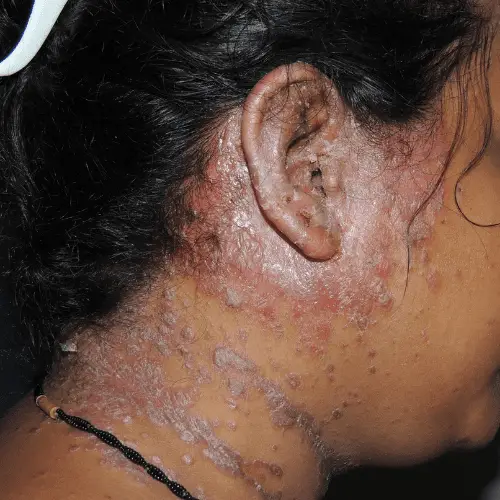
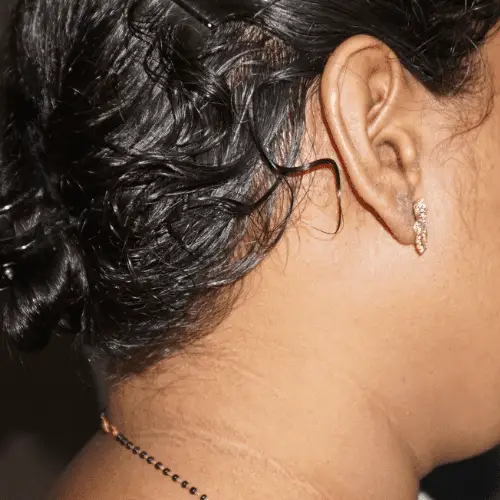
It causes white, pus-filled bumps(pustules) and broad areas of red, inflamed skin. Pustular Psoriasis is typically localized to smaller areas of the body, such as the hands or feet, but sometimes it can be widespread. Other symptoms include fever, chills, nausea, faster heart rate, muscle weakness.
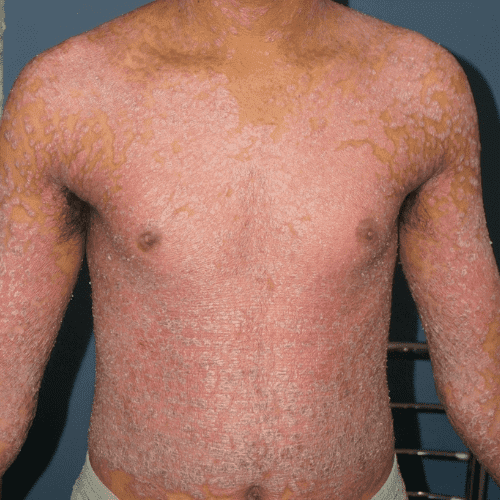
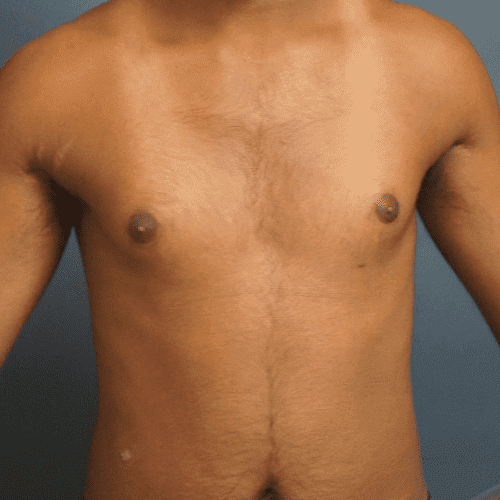
This form often covers large sections of the body at once. The skin almost appears sunburned. Other Symptoms include, severe itching, burning, or peeling. It can cause severe illness from protein and fluid loss from the body. You can also get an infection, develop pneumonia, or congestive heart failure.
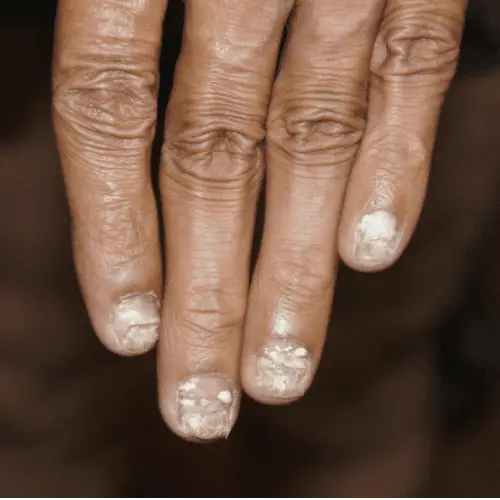
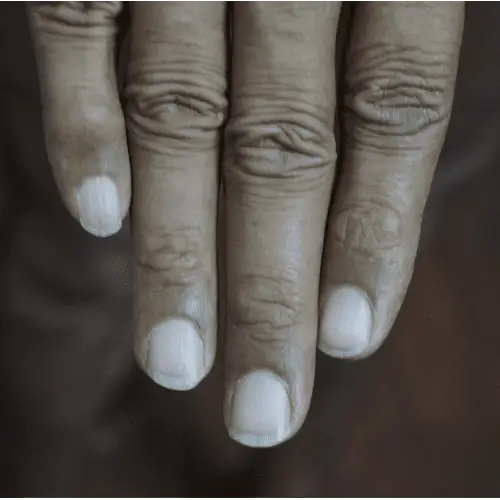
Nail Psoriasis is even more common in people who have Psoriatic arthritis. It affects fingernails and toenails, causing symptoms like pitting of your nails, tender painful nails, color changes (yellow-brown), chalk like material under your nails. Psoriatic nails might loosen and separate from the nail bed.
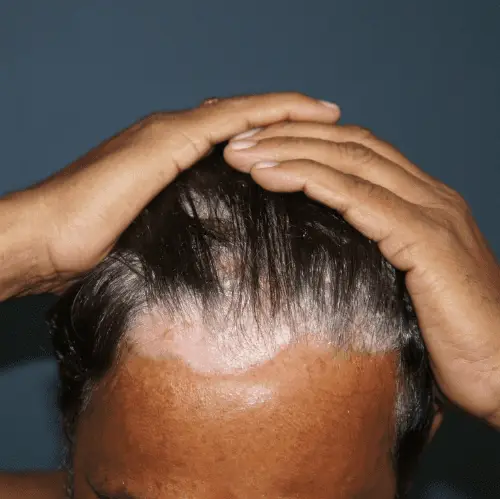
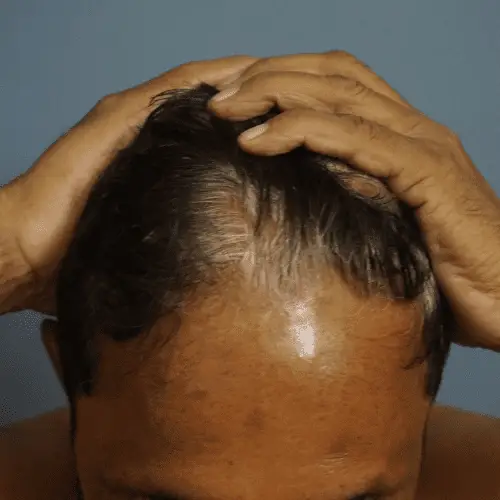
Scalp Psoriasis symptoms include raised, reddish, often scaly patches, intense itching which can affect your sleep and everyday life, scratching a lot can lead to skin infections and hair loss. It can pop up as a single patch or several. It can also spread to your forehead, the back of your neck, or behind and inside your ears.
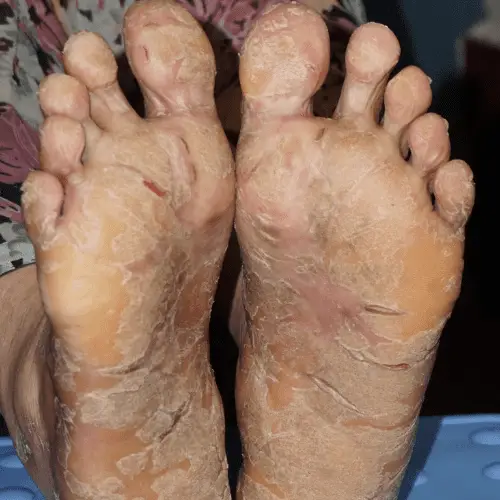
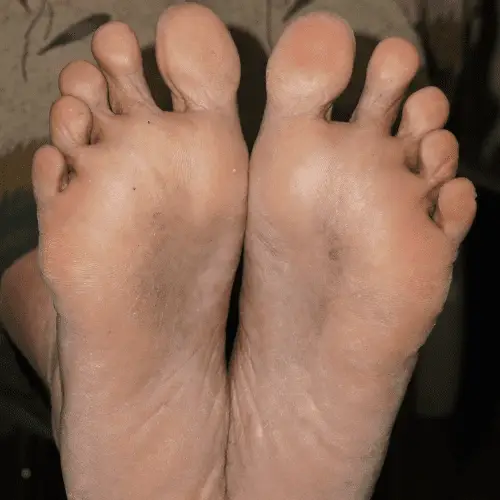
This type affects the palms of the hands and the soles of the feet. The symptoms include well-defined areas of raised, thickened skin, redness and scaling, itching and burning sensation, pain, cracking and bleeding. The hands and feet are more open to environmental and chemical triggers.
Psoriasis can appear in several different forms. The most common types include plaque psoriasis, guttate psoriasis, inverse psoriasis, pustular psoriasis, erythrodermic psoriasis, scalp psoriasis, nail psoriasis, and palmoplantar psoriasis. Each type has different symptoms and may affect different parts of the body.
Plaque psoriasis is the most common form of psoriasis and affects nearly 80 percent of people with the condition. It appears as dry, raised, red skin lesions called plaques that are covered with silvery-white scales. These plaques often develop on the elbows, knees, scalp, and lower back.
Guttate psoriasis commonly affects children and young adults. It usually appears suddenly and is often triggered by bacterial infections such as strep throat. This type is characterized by small, pink-red drop-shaped spots that typically appear on the trunk, arms, legs, and scalp.
Inverse psoriasis develops mainly in skin folds such as the armpits, groin, under the breasts, and around the genitals or buttocks. The affected skin appears smooth, red, and shiny rather than scaly. Friction and sweating may worsen this type of psoriasis.
Pustular psoriasis is characterized by white pus-filled blisters surrounded by red, inflamed skin. It can occur on small areas such as the hands or feet or may spread more widely. Some people may also experience fever, chills, nausea, or weakness along with the skin symptoms.
Erythrodermic psoriasis is a rare but severe form of psoriasis that can cover large areas of the body. The skin may appear intensely red and inflamed, similar to a severe burn. Symptoms may include severe itching, burning, peeling skin, and serious complications that may require medical attention.
Scalp psoriasis affects the scalp and can cause raised reddish patches covered with thick scales. It may lead to intense itching and flaking that resembles severe dandruff. In some cases it can extend to the forehead, back of the neck, or behind the ears.
Nail psoriasis affects the fingernails and toenails. Symptoms may include pitting of the nails, discoloration, thickening, and separation of the nail from the nail bed. Nail psoriasis is more common in people who also have psoriatic arthritis.
Palmoplantar psoriasis affects the palms of the hands and the soles of the feet. It may cause thickened skin, redness, scaling, painful cracks, itching, and burning sensation. Because these areas are frequently used, symptoms can significantly affect daily activities.