
Introduction
When Should You See a Psoriasis Specialist? – Psoriasis can begin with a few small patches on the skin. At first, you may notice mild itching, redness or dry, flaky skin. You might think it is just dry skin or a simple rash.
But what if the patches keep returning, spread to other parts of the body or start affecting your daily life?
Knowing when to see a psoriasis specialist is important. You do not have to wait until the symptoms become severe. A dermatologist can examine your skin, confirm the diagnosis and help you understand suitable treatment options.
Psoriasis can affect more than the skin. It may also involve the scalp, nails and joints. In some people, it can affect sleep, confidence, work and emotional wellbeing.
In this article, we will explain when to consult a specialist, which warning signs need attention and when medical help should be sought urgently.

1. When should you first see a psoriasis specialist?
Consider seeing a dermatologist if you notice skin changes that may be psoriasis, especially when they do not go away or keep returning.
Common signs include:
- Raised, red or darker patches covered with dry scales.
- Persistent itching, burning or skin discomfort.
- Thick, flaky patches on the elbows, knees or lower back.
- Scalp scaling that does not improve with ordinary dandruff care.
- Changes in fingernails or toenails, such as small dents, thickening or lifting.
- Similar patches appear on different parts of the body.

Psoriasis can look different on different skin tones. On darker skin, patches may look brown, violet or darker than the surrounding skin rather than bright red.
These signs do not always mean psoriasis. Other skin conditions, including eczema, fungal infections and dermatitis, can look similar. A specialist can help identify the cause.
2. When your symptoms are getting worse
If you already have psoriasis, arrange a specialist appointment when:
- Existing patches are becoming larger.
- New patches are appearing.
- Itching or discomfort is increasing.
- Your skin is cracking, bleeding or becoming painful.
- Flare-ups are happening more often.
- The condition is spreading to areas that were previously unaffected.
Do not wait for psoriasis to cover a large part of your body before asking for help. Early assessment can help you understand the condition and choose an appropriate care plan.
3. When your current treatment is not working
Psoriasis treatment is different for each person. A treatment that works well for one person may not work as well for another.
You should speak to a dermatologist if:
- Your prescribed treatment is not improving the symptoms.
- The patches return quickly after treatment.
- You are using creams regularly but the condition remains uncontrolled.
- You experience side effects from your medicines.
- You are unsure how long or how often to use a prescribed treatment.
- You are considering stopping or changing your medicines.
A dermatologist may review your diagnosis, treatment routine and disease severity. Depending on your needs, they may discuss prescription creams, phototherapy, oral medicines or injectable treatments.
Do not increase doses, combine medicines or stop prescribed treatment without medical advice.
4. When psoriasis affects your scalp or nails
Psoriasis can affect areas that are sometimes difficult to manage with ordinary skin-care products.
Scalp psoriasis
See a dermatologist if you have:
- Thick scales on the scalp.
- Persistent itching or soreness.
- Patches extending beyond the hairline.
- Scaling behind the ears or around the neck.
- Cracking or bleeding caused by scratching.
- Hair shedding is associated with severe inflammation or repeated scratching.

Scalp psoriasis can resemble dandruff or other scalp conditions. The correct diagnosis helps guide suitable treatment.
Nail psoriasis
Arrange an appointment if you notice:
- Small dents or pits in the nails.
- Yellowish or unusual patches.
- Thickened or crumbly nails.
- Nails separating from the skin underneath.
- Nail pain that affects daily activities.
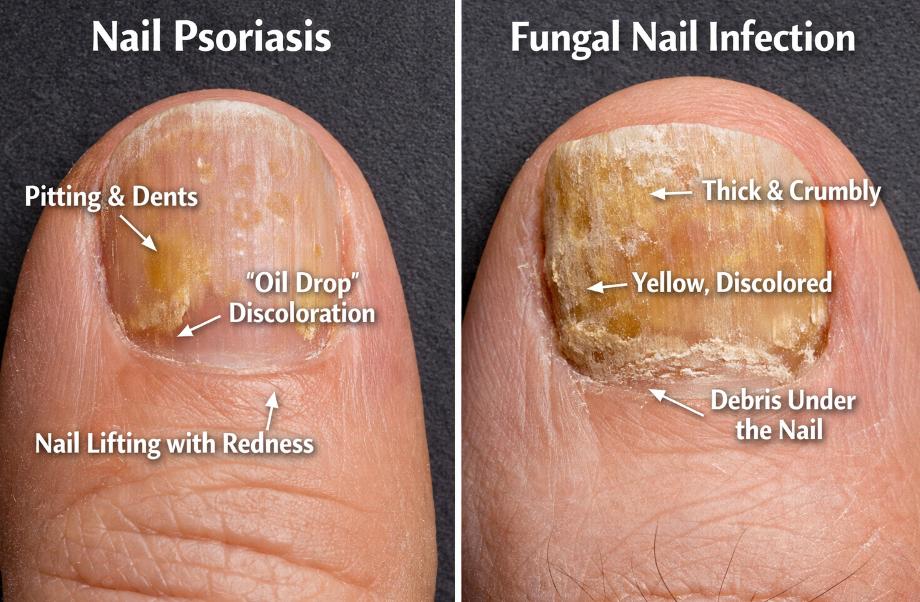
Nail changes can also be caused by fungal infections or injuries. A specialist can examine the nails and recommend testing if needed.
5. When you have joint pain, swelling or stiffness
This is one of the most important reasons to seek medical advice.
Some people with psoriasis develop psoriatic arthritis, an inflammatory condition that affects the joints and sometimes the areas where tendons attach to bones.
Watch for symptoms such as:
- Joint pain that keeps returning.
- Swelling in fingers or toes.
- A whole finger or toe becoming swollen.
- Stiffness in the morning.
- Pain in the heels or around tendons.
- Lower back pain, especially with stiffness.
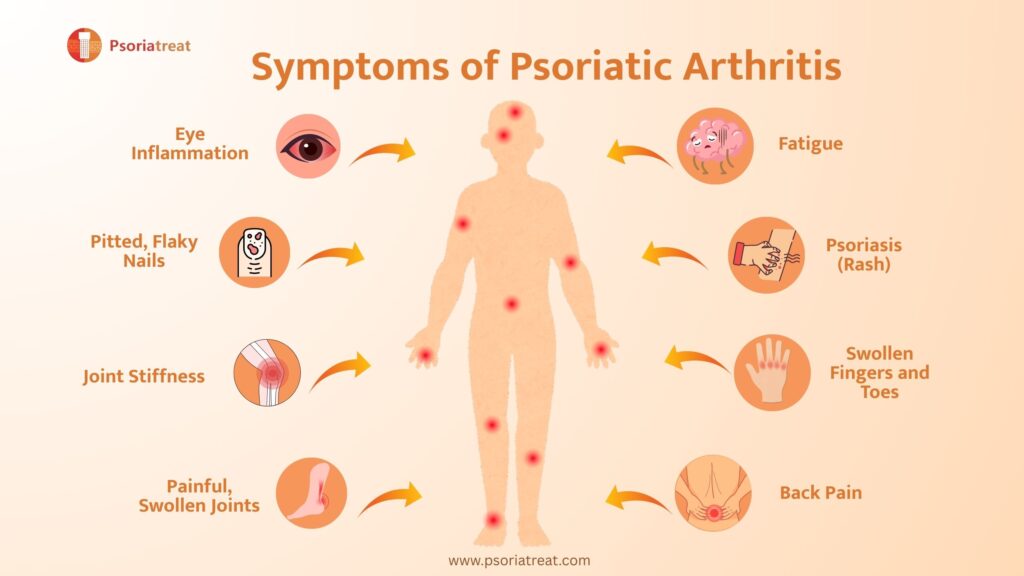
Do not assume that joint pain is simply due to age, exercise or tiredness.
Tell your dermatologist or doctor about these symptoms. You may need an assessment by a rheumatologist, a specialist in joint and inflammatory diseases. Early identification and treatment can help reduce the risk of lasting joint damage.
6. When psoriasis affects your sleep, confidence or daily life
Psoriasis is not only a skin condition. Its effect on daily life also matters.
Consider seeking professional support if:
- Itching keeps you awake at night.
- Skin discomfort makes work or household tasks difficult.
- You avoid social activities because of visible patches.
- You feel embarrassed, anxious or low because of your skin.
- You are worried about how others may react.
- The condition affects your relationships or confidence.
You deserve care even if the affected skin area is small. A small patch in a visible or sensitive area can have a major effect on someone’s quality of life.
Tell your healthcare professional how psoriasis affects you physically and emotionally. Support for mental wellbeing may also be helpful.
7. When is psoriasis a medical emergency?
Most psoriasis flare-ups can be assessed through a planned medical appointment. However, certain rare forms can become serious and need immediate medical attention.
Generalised pustular psoriasis
This condition can cause widespread pus-filled bumps, along with redness and tenderness. It may also cause:
- Fever or chills.
- Severe weakness.
- Feeling very unwell.
- Widespread skin pain.
If you develop widespread pus-filled bumps with fever or chills, seek immediate medical care.
Erythrodermic psoriasis
This is a rare but serious form of psoriasis in which much of the skin becomes intensely red, inflamed and may peel.
Warning signs include:
- Rapid and widespread skin redness.
- Severe skin discomfort or tenderness.
- Chills or fever.
- A fast heartbeat.
- Feeling extremely unwell.
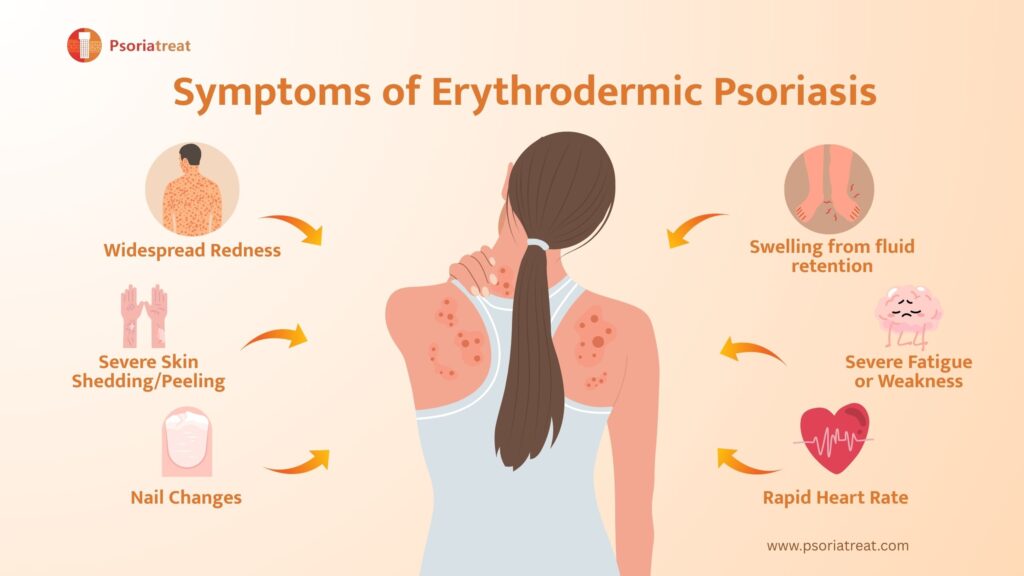
This condition can affect the body’s ability to control temperature and fluid balance. It requires immediate medical assessment.
Do not wait for a routine appointment if you have these symptoms. Go to an emergency department or seek immediate medical help.
8. Which specialist should you consult?
A dermatologist is the main specialist for diagnosing and treating psoriasis.
Depending on your symptoms, you may also need support from other healthcare professionals:
- Dermatologist: Examines skin, scalp and nail symptoms and plans psoriasis treatment.
- Rheumatologist: Assesses joint pain, swelling and suspected psoriatic arthritis.
- Primary care doctor: Helps with general health concerns and referrals.
- Mental health professional: Supports people experiencing anxiety, low mood or emotional distress related to psoriasis.
- Dietitian: Helps with balanced nutrition and specific dietary needs.
Your care may involve more than one specialist. This is normal when psoriasis affects different parts of your health.
9. How to prepare for your specialist appointment
A little preparation can help you make better use of your consultation.
Before your appointment:
- Note when your symptoms first appeared.
- List the areas of your body that are affected.
- Take photographs of flare-ups, especially if they come and go.
- Write down the creams, medicines and supplements you use.
- Bring previous prescriptions or test reports if available.
- Mention any joint pain, nail changes or scalp symptoms.
- Note possible triggers, such as infections, stress or skin injuries.
- Prepare questions about treatment choices and possible side effects.
Be honest about what you have tried, including home remedies and over-the-counter products. This helps your doctor understand your situation.
Conclusion
You should see a psoriasis specialist when you notice persistent or recurring skin patches, worsening symptoms, nail or scalp changes, or a lack of improvement with your current treatment.
Joint pain, swelling and morning stiffness also need attention because they may indicate psoriatic arthritis. If you develop widespread redness, pus-filled bumps, fever or chills, seek immediate medical care.
You do not need to wait until psoriasis becomes severe to ask for help. The right assessment can help you understand your condition and discuss a treatment plan suited to your needs.
Are you noticing recurring skin patches, scalp problems, nail changes or joint discomfort? Contact Psoriatreat to learn about consultation options and discuss your psoriasis-related concerns with the care team. – Book an Appointment
Frequently Asked Questions
1. When should I see a doctor for suspected psoriasis?
See a dermatologist if you have persistent or recurring scaly patches, itching, skin discomfort or unusual nail or scalp changes. A specialist can examine the affected areas and help confirm the diagnosis.
2. Can I wait until psoriasis becomes severe before seeing a specialist?
It is better not to wait. Early assessment can help confirm the condition and identify suitable treatment options before symptoms become more difficult to manage.
3. Should I see a specialist if psoriasis creams are not working?
Yes. If your symptoms do not improve, keep returning or cause side effects, consult your dermatologist. Your diagnosis and treatment plan may need to be reviewed.
4. Does joint pain in someone with psoriasis need medical attention?
Yes. Repeated joint pain, swelling, swollen fingers or toes, and morning stiffness may be signs of psoriatic arthritis. Tell your doctor or dermatologist so that further assessment can be arranged.
5. Which psoriasis symptoms need urgent medical care?
Widespread skin redness, pus-filled bumps over large areas, fever, chills or feeling extremely unwell may indicate a serious form of psoriasis. Seek immediate medical attention rather than waiting for a routine appointment.
Written by –
This article is written by Dr. R. S. Sonawane.
M.D. (Homeopathy), DI (Homeopathy), London
Psoriasis Specialist Doctor in India
Dr. R. S. Sonawane is India’s first Homeopathic Psoriasis Specialist, with over 40 years of dedicated experience in treating psoriasis and related chronic skin conditions using a holistic, patient-focused approach. He holds advanced training in homeopathy and has helped tens of thousands of patients achieve long-term relief from psoriasis through personalized, immune-balancing treatment plans designed to address the root cause of the condition rather than just symptoms.
For more such tips and information from Dr. R. S. Sonawane, follow him on –
https://www.instagram.com/psoriatreat_india
https://www.linkedin.com/in/psoriatreat
Calculate your Psoriasis Severity Score – Psoriasis Severity Calculator
[Disclaimer – The images used in this article are for educational and reference purposes only. They are not original patient photographs from Psoriatreat and should not be used for self-diagnosis. Skin conditions can look different from person to person, and a healthcare professional should assess persistent or unusual skin changes.]