
Introduction:
Does Weather Affect Psoriasis? – Have you noticed that your psoriasis feels different during winter, summer, or the rainy season? Perhaps your skin becomes drier and itchier when the weather turns cold. Or maybe sweating and humidity make you feel more uncomfortable during warmer months.
If this sounds familiar, you are not alone. Many people with psoriasis notice changes in their skin as the seasons change. Weather can influence dryness, irritation, and flare-ups, although the effect is not the same for everyone.
Some people feel better during warm, sunny months, while others find that heat, sweat, or sun exposure makes their symptoms worse. There is no single seasonal pattern that applies to every person.
So, does weather affect psoriasis? Yes, it can. Temperature, humidity, sunlight, and changes in daily routines may all play a role. Understanding these effects can help you care for your skin throughout the year.

What Is the Connection Between Weather and Psoriasis?
Psoriasis is a long-term inflammatory skin condition linked to the immune system. It causes skin cells to build up faster than usual, leading to raised, scaly patches that may itch, crack, or feel sore.
Weather does not cause psoriasis by itself. However, changes in temperature, humidity, sunlight, and indoor conditions may affect existing symptoms or contribute to flare-ups in some people.
For example, cold weather often comes with dry air and less sunlight. In warmer months, people may experience more sweating, sun exposure, or time in air-conditioned rooms.
The important point is that weather is a possible influence, not a guaranteed trigger.
How Different Weather Conditions Can Affect Psoriasis
1. Cold Weather and Winter
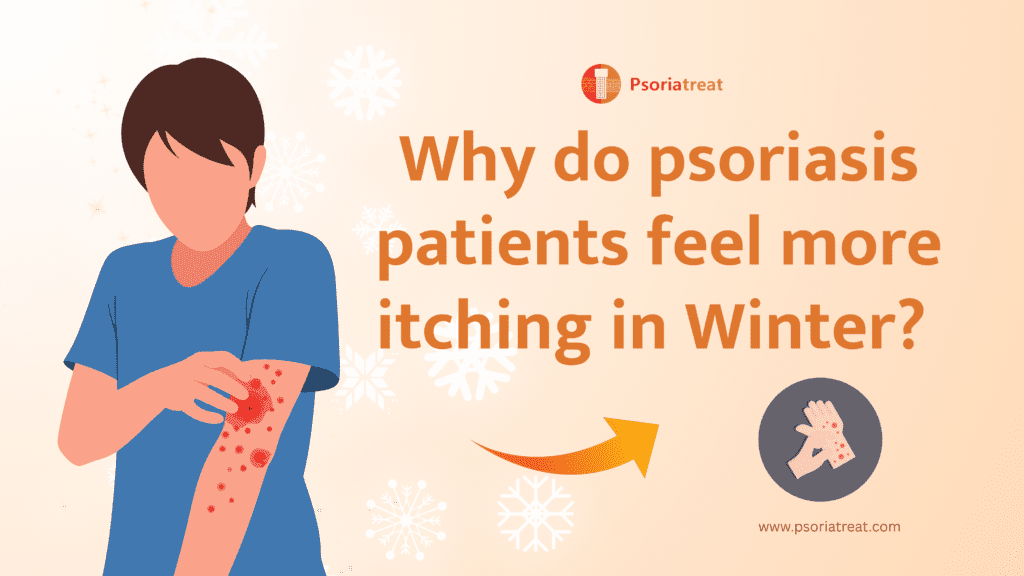
Many people notice that psoriasis becomes more difficult to manage during colder months.
Cold outdoor air often contains less moisture. Indoor heating can make the air even drier. As a result, the skin may lose moisture more easily and become dry, tight, itchy, or cracked.
Winter may also mean less time outdoors and less natural sunlight. Some people find that their skin symptoms become more noticeable during this period.
What you may notice:
- Increased dryness and flaking.
- More itching or skin tightness.
- Cracks in affected areas.
- Existing patches becoming thicker or more uncomfortable.
How to care for your skin:
- Apply a suitable moisturiser regularly, especially after bathing.
- Use lukewarm water instead of very hot water.
- Keep showers short.
- Choose gentle, fragrance-free cleansers.
- Wear comfortable clothing that does not rub against affected skin.
- Consider a humidifier if indoor air is very dry.
If your symptoms continue to worsen, speak with your dermatologist about whether your treatment plan needs review.
2. Hot Weather and Summer
Warm weather affects people with psoriasis differently.
Some people feel better during summer because natural sunlight and higher humidity may help their skin. Others experience more discomfort because of sweating, heat, sunburn, or irritation.
Sweat can collect around skin folds and areas where clothing rubs. This may increase itching or discomfort in some people.
What you may notice:
- More itching after sweating.
- Irritation in skin folds.
- Discomfort in tight or damp clothing.
- Flare-ups after sunburn.
How to care for your skin:
- Wear light, breathable clothing.
- Change out of sweaty or wet clothes.
- Rinse gently after heavy sweating.
- Apply moisturiser if your skin feels dry.
- Avoid excessive sun exposure and protect yourself from sunburn.
A little natural sunlight may help some people, but deliberate tanning or prolonged exposure is not a safe substitute for medical treatment.

3. Rainy Season and High Humidity
The rainy season can bring high humidity, damp clothing, and changes in daily routines.
Higher humidity may help reduce skin dryness for some people. However, sweating, damp clothing, and friction may make certain areas uncomfortable.
People who spend long periods in wet shoes or damp clothes may also experience skin irritation.
What you may notice:
- More sweating or discomfort in skin folds.
- Irritation where clothing rubs.
- Skin feeling damp for long periods.
- Discomfort after wearing wet clothes or footwear.
How to care for your skin:
- Change out of wet clothes as soon as possible.
- Keep skin folds clean and gently dry.
- Choose comfortable, breathable fabrics.
- Avoid harsh scrubbing or rubbing.
- Continue your prescribed psoriasis treatment.
Humidity does not automatically improve psoriasis. Pay attention to how your own skin responds.
4. Sudden Temperature Changes
Moving between hot outdoor weather and strongly air-conditioned rooms can make skin care more challenging.
Air conditioning may reduce indoor humidity, which can contribute to dryness. Sudden changes in temperature may also make some people feel more uncomfortable.
What you can do:
- Keep a suitable moisturiser available.
- Avoid sitting directly in front of strong air-conditioning vents.
- Notice whether your skin changes after spending long periods indoors.
- Keep your skin-care routine consistent.
5. Sunlight: Helpful in Some Cases, Harmful in Others
Sunlight contains ultraviolet (UV) rays. Controlled UVB light is used in medical phototherapy because it can help reduce psoriasis symptoms in suitable patients.
Some people also notice improvement with limited natural sunlight. However, too much sun can cause sunburn, and skin injury may trigger new psoriasis patches in some people.
Remember:
- Do not deliberately burn or tan your skin.
- Use suitable sun protection.
- Ask your dermatologist whether phototherapy is appropriate.
- Never replace prescribed treatment with uncontrolled sun exposure.
Medical phototherapy is carefully planned. It is not the same as using a tanning bed or sitting in strong sunlight.
Does Everyone with Psoriasis Experience Seasonal Flare-Ups?
No. Weather affects people differently.
Some people experience worse symptoms in winter and improvement in summer. Others notice no major seasonal change. A few may feel more uncomfortable during hot, humid weather.
Your response may depend on several factors, including:
- The type and severity of psoriasis.
- Your skin-care routine.
- Time spent indoors or outdoors.
- Sun exposure and the risk of sunburn.
- Stress, sleep, and recent illnesses.
- Your prescribed treatment and general health.
Do not assume that a seasonal change is the only reason your symptoms have worsened. If your psoriasis changes suddenly or becomes difficult to manage, seek medical advice.
How Can You Track Weather-Related Psoriasis Changes?
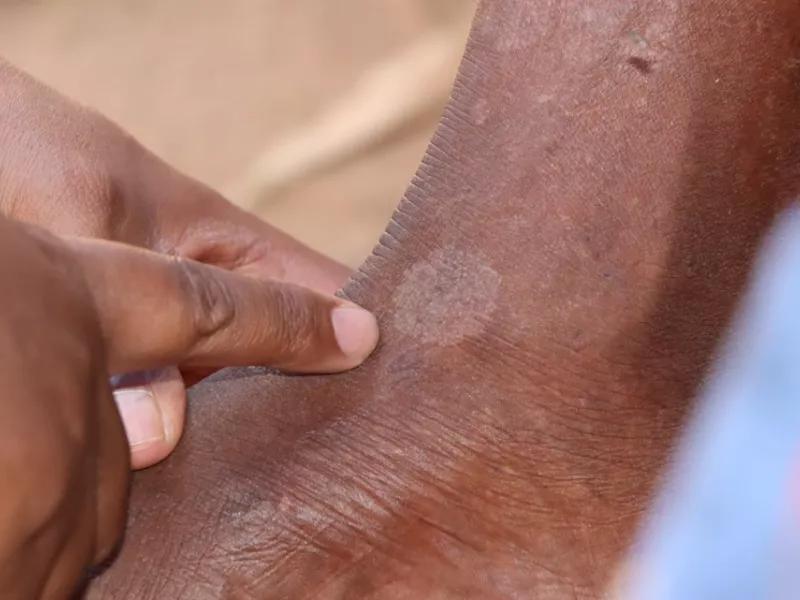
A simple diary can help you understand whether your symptoms follow a seasonal pattern.
Try recording:
| What to track | What to note |
| Date and weather | Hot, cold, rainy, dry, or humid |
| Skin symptoms | Itching, scaling, redness, dryness, or cracks |
| Severity | Mild, moderate, or severe |
| Outdoor exposure | Time in sunlight, wind, or rain |
| Indoor conditions | Air conditioning, heating, or dry air |
| Daily habits | Sweating, bathing, clothing, and sleep |
| Treatment | Medicines and skin-care products used |
| Photographs | Pictures of the same area in similar lighting |
Keep the record for several weeks or across different seasons. A single flare-up does not prove that weather caused it. Repeated patterns are more useful to discuss with your healthcare professional.
Everyday Skin-Care Tips for Every Season
You do not need a completely different routine every time the weather changes. A few simple habits can help protect your skin throughout the year.
- Moisturise regularly: Use a suitable moisturiser to reduce dryness and support the skin barrier.
- Avoid very hot showers: Hot water may make dry skin feel worse.
- Use gentle products: Avoid harsh soaps, scrubs, and products that irritate your skin.
- Protect your skin: Avoid cuts, scratches, friction, and sunburn where possible.
- Wear comfortable clothing: Choose fabrics that do not rub or trap too much sweat.
- Follow your treatment plan: Do not stop or change prescribed medicines because the season has changed.
- Stay aware of other triggers: Infections, stress, and certain medicines may also affect psoriasis.
When Should You Speak to a Doctor?
Contact your dermatologist if:
- Your psoriasis becomes more widespread.
- Itching, pain, or cracking affects daily activities.
- Your current treatment is no longer helping.
- You develop persistent joint pain, swelling, or morning stiffness.
- You are unsure whether a new skin change is related to psoriasis.
Seek urgent medical care if you develop widespread redness, numerous pus-filled bumps, fever, or feel seriously unwell.
Conclusion
Weather can influence psoriasis, but it does not affect everyone in the same way. Cold, dry air may increase dryness and itching, while heat, sweat, humidity, and sun exposure may cause discomfort for some people. Others may notice improvement during certain seasons.
The best approach is to understand your own skin. Keep a simple record of symptoms, follow a suitable skin-care routine, protect yourself from extreme weather and sunburn, and continue your prescribed treatment.
You cannot control the weather, but you can take practical steps to care for your skin as the seasons change. If symptoms become difficult to manage, speak with your healthcare professional rather than making treatment changes on your own.
Does your psoriasis become more uncomfortable during certain months? Keeping track of your symptoms and discussing seasonal changes during a consultation can help you understand your skin-care needs. – Book an Appointment
Psoriatreat provides information about psoriasis and consultation options. Visit the Psoriatreat contact page to learn how to get in touch.
Frequently Asked Questions
1. Does cold weather make psoriasis worse?
Cold weather may worsen psoriasis in some people because cold air and indoor heating can reduce skin moisture. This may lead to dryness, itching, and cracking. Regular moisturising and gentle skin care may help.
2. Can hot weather improve psoriasis?
Some people notice improvement during warm weather because of increased humidity and limited natural sunlight. However, heat, sweating, and sunburn can worsen symptoms in others. The effect varies from person to person.
3. Is sunlight good for psoriasis?
Limited natural sunlight may help some people, and medically supervised UVB phototherapy is an established treatment option. However, too much sunlight can cause sunburn and skin damage. Ask your dermatologist before changing your sun exposure.
4. Does humidity affect psoriasis?
Yes, humidity may influence skin moisture. Higher humidity may reduce dryness for some people, while sweating and damp clothing may cause discomfort for others. Your personal response matters.
5. Should I change my psoriasis treatment during winter or summer?
Do not change or stop prescribed treatment on your own when the weather changes. If your symptoms worsen during a particular season, discuss your treatment plan with your dermatologist.
Written by –
This article is written by Dr. R. S. Sonawane.
M.D. (Homeopathy), DI (Homeopathy), London
Psoriasis Specialist Doctor in India
Dr. R. S. Sonawane is India’s first Homeopathic Psoriasis Specialist, with over 40 years of dedicated experience in treating psoriasis and related chronic skin conditions using a holistic, patient-focused approach. He holds advanced training in homeopathy and has helped tens of thousands of patients achieve long-term relief from psoriasis through personalized, immune-balancing treatment plans designed to address the root cause of the condition rather than just symptoms.
For more such tips and information from Dr. R. S. Sonawane, follow him on –
https://www.instagram.com/psoriatreat_india
https://www.linkedin.com/in/psoriatreat
Calculate your Psoriasis Severity Score – Psoriasis Severity Calculator
[Disclaimer – The images used in this article are for educational and reference purposes only. They are not original patient photographs from Psoriatreat and should not be used for self-diagnosis. Skin conditions can look different from person to person, and a healthcare professional should assess persistent or unusual skin changes.]